Glass Break Sensor vs Motion Sensor: Which Is Better? (October 2026)
A glass break sensor listens for breaking glass, while a motion sensor detects movement in a room. For glass doors and windows, choose sound detection; for open rooms and paths, choose motion detection. Use both when you need both kinds of coverage.
On this page (8 sections)
- Glass break sensor vs motion sensor: what does each detect?
- Where should you use each sensor?
- How do pets affect motion sensors?
- How do you set up and care for these sensors?
- Do you need both sensors in a DIY alarm system?
- Which models fit these different jobs?
- What mistakes should you avoid when choosing sensors?
- What should you choose?
A glass break sensor listens for breaking glass, while a motion sensor detects movement in a room. In a glass break sensor vs motion sensor comparison, choose by the event you want to detect and the area you need to cover.
A glass sensor can alert you to breaking-glass sound near a window or glass door. A motion sensor watches an area for movement, so it can cover a room or passage.
They do different jobs. Using both can cover separate points in the path from a broken window to movement inside.


Glass break sensor vs motion sensor: what does each detect?
A glass break sensor detects breaking-glass sounds; a motion sensor detects movement. Neither detects every possible break-in event.
A glass break sensor listens for the sound it is designed to recognize. Ring says its sensor is designed to identify breaking glass while filtering common household noise, and SimpliSafe describes its sensor as detecting the unique sound of breaking glass.
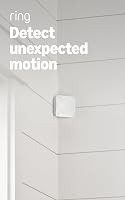
A motion sensor responds to movement in its coverage area. Ring's Motion Detector covers one room with a 90° field of view and a 9.1 meter range.
These differences determine where each sensor can help. Use sound detection near glass you want to monitor, and use motion detection where a person is likely to cross the room.
How does glass break sensor vs motion sensor coverage differ?
Glass sensors cover a listening area, while motion sensors cover a field of movement. Check the placement guidance and coverage details for the specific model before deciding how many areas it can serve.
A sound sensor may alert when it detects breaking-glass sound, even before anyone crosses a room. A motion sensor can alert when movement enters its field of coverage, but it won't report the sound itself.
A stated detection range gives you a useful starting point, not a guarantee that every sound or movement will trigger an alert throughout a home. Room layout, sensor position and system compatibility all matter.
Which sensor responds first after a window breaks?
A glass break sensor is designed to respond to the breaking-glass sound; a motion sensor responds when movement enters its coverage. The timing depends on what happens and where each sensor is placed.
If a person breaks glass and then moves into a room, the glass sensor may alert on the sound and the motion sensor may alert on movement. An alert alone doesn't confirm who is inside or whether entry occurred.
Where should you use each sensor?
Use a glass break sensor near vulnerable glass and a motion sensor to cover open indoor areas. Consider room layout, likely paths and compatibility with your alarm system.
A glass break sensor can add sound detection near a ground-floor window, a glass patio door or another glass entry point. Ring's model can be placed on a wall, ceiling or furniture near a vulnerable entry.
The SimpliSafe Glassbreak Sensor works with a compatible SimpliSafe Gen 3 system. It can sit on a shelf or mount on a wall, with detection up to 20 ft.
For room coverage, consider a motion sensor where someone would pass through its field of view. The Ring Motion Detector is designed to watch one room, with a 90° field of view and a 9.1 meter range.
Our guide to what a glass break sensor is and whether you need one can help you decide which glass areas matter. For door openings, see our guide to door alarm sensors and placement.
Should you skip a glass break sensor or motion sensor?
Skip a glass break sensor if you have no glass entry points you want to monitor or your system can't use it. Skip a motion sensor if you don't have a suitable room or path to cover, or if its behavior doesn't suit your household.
A glass sensor won't tell you that someone moved through a room. If your main concern is movement across an open area, a motion sensor is the closer fit.
A motion sensor won't listen for breaking glass. If you want an alert tied to that sound, choose a compatible glass break model and place it near the vulnerable entry point.
How do pets affect motion sensors?
Choose a motion sensor with a pet setting if you want to reduce alerts from a pet's movement. Ring says its detector's pet-friendly mode can reduce false alerts from pets under 50 lb.
That feature doesn't mean every pet or movement will be ignored. Follow the system's setup guidance and consider where your pet spends time and how it moves around the room.
A glass break sensor listens for breaking-glass sounds rather than tracking a pet. Ring's glass sensor is designed to filter common household noise, but no sensor guarantees that every unwanted alert will be avoided.
For more options, compare our pet-immune motion sensor guide. If you're choosing a room sensor, see our picks for motion sensor alarms for the home.
How do you set up and care for these sensors?
Start by confirming compatibility, then follow the sensor's app and placement instructions. A good position helps the sensor cover the area you chose without putting it where it can be easily disturbed.
Ring's glass break sensor sets up in the Ring app and can sit on a wall, ceiling or furniture near vulnerable glass. Ring's motion detector connects over Amazon Sidewalk, which is required for use; coverage may vary.
The SimpliSafe glass sensor can be installed with peel-and-stick adhesive or the included hardware, then set up in the SimpliSafe app. Keep its Gen 3 system requirement in mind before buying.
After setup, check that the sensor appears connected in its app and that notifications are enabled where you expect to receive them. Review alerts and placement if you get repeated unwanted notifications or if you change the room layout.
Keep sensors in their chosen positions and avoid covering them with furniture or decorations. If you move a sensor, reassess the area it covers and follow the manufacturer's instructions to reconnect or adjust its settings.
Do you need both sensors in a DIY alarm system?
Consider both when you want sound detection near glass and movement detection in rooms beyond it. Each sensor can cover a different point in your home's layout.
For example, a glass break sensor near a patio door can add an alert for breaking-glass sound. A motion sensor in a nearby open room can provide another alert if someone moves inside.
You don't need both in every room. Start with the entry points and paths that matter most, then check which sensors work with your alarm system.
Our overview of DIY alarm systems and what to buy explains how sensors fit into a broader setup. If you have Ring, our Ring Motion Detector review covers that sensor in more detail.
Which models fit these different jobs?
Ring offers a motion detector and a glass break sensor, while SimpliSafe offers a glass break sensor for its Gen 3 system. Match the sensor to both your detection need and your existing equipment.
Ring's motion detector requires Amazon Sidewalk for use, and Sidewalk coverage may vary. The Ring glass sensor uses Sidewalk to help keep sensors connected when Wi-Fi drops, though coverage may vary.
The SimpliSafe glassbreak sensor is compatible with the SimpliSafe Gen 3 home security system. Check your system before buying, since sensors from different brands aren't interchangeable by default.
What mistakes should you avoid when choosing sensors?
The main mistake is expecting one sensor type to do the other type's job. A glass sensor listens for a sound, while a motion sensor detects movement in its coverage area.
Don't choose a motion sensor just because you want to hear about a broken window. It may alert later if someone crosses its coverage, but it does not detect the breaking-glass sound.
Don't assume a glass break sensor covers every window in a home. Choose a placement near the vulnerable glass and check the model's stated range and instructions.
Don't overlook system requirements. The Ring motion detector requires Amazon Sidewalk, while the SimpliSafe glassbreak sensor requires a compatible Gen 3 system.
Finally, don't treat a pet-friendly setting as a promise that all pet movement will be ignored. Follow the setup guidance, then pay attention to how the sensor behaves in the room.
What should you choose?
Choose a glass break sensor for sound alerts near glass, and a motion sensor for movement coverage in a room. Choose both if those are separate gaps in your home alarm plan.
Pick the Ring Glass Break Sensor if you want flexible placement near a vulnerable glass entry point and use a compatible Ring setup. Pick the SimpliSafe Glassbreak Sensor if you have a compatible Gen 3 system and want a model with a stated 20 ft detection range.
Choose the Ring Motion Detector if room movement is the priority, especially if its pet-friendly setting fits your household. For more guidance on placement across a full system, read how to install a home alarm system yourself.
Frequently asked questions
Is a glass break sensor better than a motion sensor?
Neither is better for every room. A glass break sensor listens for the sound of breaking glass, while a motion sensor detects movement in its coverage area.
Use the glass sensor near vulnerable glass and motion detection in an open room or passage.
Choose based on the event you need to detect.
Can a motion sensor detect someone breaking a window?
A motion sensor detects movement, not the sound of glass breaking. If someone breaks a window but doesn't move through the sensor's coverage area, motion detection may not alert you at that moment.
A glass break sensor is designed to listen for that sound.
Do you need both glass break and motion sensors?
You may want both when your layout has vulnerable glass and open rooms worth monitoring. A glass break sensor adds sound detection near windows or glass doors, while a motion sensor watches for movement.
They cover different events, so placement and alarm system compatibility matter.
Where should you place a glass break sensor?
Place a glass break sensor near the glass entry points you want to cover, following its setup instructions. Ring's sensor can go on a wall, ceiling, or furniture; SimpliSafe's sensor can sit on a shelf or mount on a wall.
Check that it works with your alarm system before you buy.
Will a motion sensor alert you if you have a pet?
It depends on the sensor and its settings. Ring's Motion Detector has a pet-friendly mode that can reduce false alerts from pets under 50 lb.
Read the setup guidance for your system and place the sensor where its coverage suits the room and your pet's usual path.