7 Best Cheap Home Alarm Sensors (November 2026)
The best low-cost door and window alarm sensors include the SECRUI Door Chime When Door Opens for most homes, the Ring Alarm Contact Sensor 6-Pack for phone alerts on six openings, and the COTINSE Wireless Motion Sensor LED Light for covering a room or hallway.
On this page (5 sections)
The best cheap home alarm sensors for most homes are the SECRUI Door Chime When Door Opens, a two-sensor kit with a plug-in receiver that chimes the moment a door opens. For phone alerts on six openings, choose the Ring Alarm Contact Sensor 6-Pack.
For five doors or windows with no hub at all, the SanJie pack covers the most openings for the least complexity.
Cheap sensors are not one product. A contact sensor watches a door or window frame and triggers when the gap opens.
A motion sensor watches the space in front of it. A chime sounds on the spot, while a hub-based sensor sends a phone alert.
Your best cheap home alarm sensor depends on which of those jobs you need and how many openings you want to watch.
Start with what you already have. If you want a loud local alert when someone walks in, a chime or standalone siren covers it without a hub.
If you want to know about a door while you are away, you need a system that sends phone alerts. This guide compares seven low-cost picks on range, alerts, setup and how many openings each one covers.
Our best door alarms for home guide covers the contact-sensor side in more depth if that is your main need.
Our picks at a glance
-
1

-
2
 Best for phone alerts on six openings
Ring Alarm Contact Sensor 6-Pack
9.6/10 our score
See it on Amazon -
3
 Best for covering a room or hallway
COTINSE Wireless Motion Sensor LED Light
8.5/10 our score
See it on Amazon
- 4
 Best for garage and basement doorsCheck it
- 5
 Check it
TECKNET Indoor Motion Sensor Alarm
Best for a loud indoor deterrent - 6
 Check it
1byone Driveway Alarm (2 Sensors)
Best for driveways and porches - 7
 Check it
SanJie Door Window Alarm Sensors
Best for five doors or windows on a budget
The best cheap home alarm sensors for different needs
SECRUI is the top pick for a typical home because it brings two sensors and a receiver in one box. The other six solve more specific jobs, from phone alerts to driveway detection.
Read each write-up to match one to your door layout and how you want to be alerted.
SECRUI Door Chime When Door Opens: Best for most homes
- 2 sensors with 1 plug-in receiver
- 58 chimes and 5 volume levels
- 500 ft range
- Battery-powered sensor with low battery alerts
A pre-paired door chime set that gives instant entry alerts without wiring. Two sensors cover a front door and a back door, and you can add more.
Pros
- Two sensors in the box
- 58 chimes with five volume levels
- Expandable to more sensors
Cons
- Receiver needs a free outlet
- Local chime only
SECRUI suits a renter or homeowner who wants instant sound alerts on a front door and a back door. The kit pairs two contact sensors with one plug-in receiver, so both doors announce themselves the moment they open.
A 500 ft range between the sensors and the receiver covers most houses, including a door on the far side of a garage.
Setup takes minutes. The sensors come pre-paired, so you stick them on with the included 3M tape or screws and plug in the receiver.
You choose from 58 chimes and five volume levels up to 110 dB. The LED still flashes at the mute setting, which helps when someone is asleep but you still want a visual cue.
It is expandable, so you can add sensors for more doors or a window and give each one its own chime. That makes it easy to tell which door opened without walking over to look.
The sensor runs on a 23A 12V battery and warns you when it runs low.
The trade-off is local sound only. It works best when someone is home.
For app alerts on more openings, the Ring pack is the better fit. Compare more window options in our window alarm sensors roundup.
Ring Alarm Contact Sensor 6-Pack: Best for phone alerts on six openings
- Six contact sensors
- Instant mobile alerts with a Ring Protect plan
- About 3-year battery life
- Slim design with tool-free install
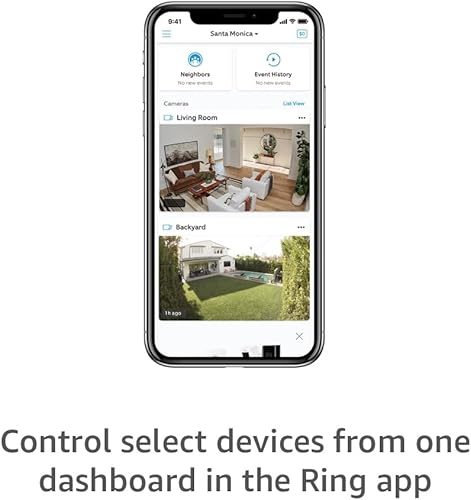
Six slim sensors that mount to door and window frames without tools. Mobile alerts need a Ring Protect subscription and a Ring Alarm Base Station.
Pros
- Six sensors in one pack
- About 3-year battery life
- Tool-free installation
Cons
- Needs a Ring Alarm Base Station
- Phone alerts require a paid plan
Ring suits a household that wants alerts on its phone and is already thinking about a fuller alarm system. The 6-pack covers six doors or windows, and each sensor mounts to the frame without tools.
The slim design helps it sit close to the frame on tight window tracks.
The catch is the hub. Ring needs a Ring Alarm Base Station, and phone alerts need a Ring Protect subscription on top.
That turns the low sensor cost into a system cost. If you want phone alerts, though, this is the pack that delivers them, and six sensors at once means you can watch most of the ground floor.
Ring says each sensor's battery lasts about 3 years, so it is a set-and-forget install compared with button-cell alarms. It is also the only pick here that sends alerts away from home, which matters if you travel or work long shifts.
Choose Ring if phone alerts and a path to a full system matter more than the upfront total. For pure sound alerts without a hub or plan, SECRUI costs less and covers a typical home.
Motion coverage is a separate job; see our motion sensor alarm picks for that.
COTINSE Wireless Motion Sensor LED Light: Best for covering a room or hallway
- 58 ringtones and 5 volume levels
- Up to 20 sensors per receiver
- 500 ft range
- 13 to 16.5 ft motion range at 110 degrees
A motion detector that triggers a chime and a 110 dB alarm. One receiver can handle up to 20 sensors, so it scales from a hallway to a small shop.
Pros
- Expandable to 20 sensors
- Loud 110 dB alert
- Plenty of ringtones
Cons
- Detects motion
- not just opening
- so pets can set it off
- Receiver needs an outlet
COTINSE suits a room where a door sensor will not do, like a hallway, stairwell or back room of a small shop. The motion sensor triggers a 110 dB alarm and a chime when someone moves within 13 to 16.5 ft at 110 degrees.
It detects motion rather than an opening door, so it catches someone already inside the space.
The receiver handles up to 20 sensors, so you can start with one and add more across a house or store. Range between the sensor and the plug-in receiver reaches 500 ft.
The sensor runs on two AAA batteries and mounts with the included hardware.
You pick from 58 ringtones and five volume levels, so you can make the alert a gentle ding or a loud siren. The receiver's LED flashes when it gets a signal.
Setting a ringtone takes a short button hold and a wave in front of the sensor.
The trade-off is false triggers. Because it watches movement, a pet or a curtain in a draft can set it off.
If you have pets, our pet immune motion sensor guide covers sensors built to ignore them. For a door-only job, a contact sensor like SECRUI is the cleaner fit.
Satisure Door Chime Alarm: Best for garage and basement doors
- 600 ft range
- 58 melodies with memory function
- 5 volume levels from 0 to 110 dB
- Silent LED flash mode
A long-range single-sensor chime for doors that sit far from the receiver. The silent flash mode suits offices and light sleepers.
Pros
- 600 ft range through walls
- Silent LED flash mode
- Saves your chime setting when unplugged
Cons
- One sensor in the box
- Local chime only
Satisure suits a door that sits far from where you spend your time, such as a detached garage, basement or back workshop. Its 600 ft range pushes through walls better than most chimes here, so the receiver in the kitchen still hears a sensor on the far garage door.
The single-sensor kit chimes instantly when the door opens. You get 58 melodies and five volume levels from 0 to 110 dB.
The silent LED flash mode is useful in an office or a bedroom, and the memory function keeps your chosen chime when the receiver is unplugged and moved.
Setup is plug and play: the sensor and receiver arrive paired, and the sensor sticks on with double-sided tape. Satisure says the sensor battery lasts about 20 months.
The receiver also pairs with more sensors if you want to extend coverage later.
The trade-off is one sensor in the box. If you need several doors covered, the SECRUI kit or the Ring pack gives you more sensors at once.
Satisure is the pick when the distance between the door and the receiver is the problem.
TECKNET Indoor Motion Sensor Alarm: Best for a loud indoor deterrent
- 125 dB siren with strobe
- 328 ft remote control
- 16 to 26 ft PIR detection at 120 degrees
- Battery or USB-C power
A standalone motion alarm with a remote to arm and disarm it. The siren and strobe are the point, so it works without a hub or app.
Pros
- Very loud 125 dB siren
- Remote arms and disarms from 328 ft
- Two power options
Cons
- Local siren only
- Siren runs for 2 minutes once triggered
TECKNET suits a garage, storage room or shop where you want a loud siren rather than a gentle chime. Its 125 dB alarm with a strobe is designed to scare off an intruder and wake the house.
The included remote arms and disarms it from up to 328 ft, so you can switch it on from the car or the back door without walking to the unit.
The PIR sensor covers 16 to 26 ft at 120 degrees and rotates 360 degrees, so you can aim it down a hallway or across a garage. You get two modes: alarm for security and a doorbell chime for visitors or motion alerts.
Volume steps at 80, 100 and 125 dB let you keep it loud or tame it for a small room.
Power is flexible. Use three AAA batteries for a spot you cannot wire, or USB-C for continuous power.
The USB-C option only powers the unit; it does not recharge the batteries. Once triggered in alarm mode, the siren runs for 2 minutes before it resets.
The trade-off is the lack of phone alerts and the fixed 2-minute siren. It is a local deterrent, not a remote monitor.
For a mix of motion and window coverage, pair it with the contact sensors in our window alarm sensors guide.
1byone Driveway Alarm (2 Sensors): Best for driveways and porches
- 2 weatherproof PIR sensors and 1 receiver
- Up to 1000 ft range
- 24 ft detection per sensor
- Three alert modes
A long-range outdoor motion kit that works as a driveway bell. Cars, people and large animals set it off within 24 ft of each sensor.
Pros
- Very long 1000 ft range
- Two weatherproof sensors
- Chime and alarm modes
Cons
- Outdoor motion detection
- so animals trigger it
- Needs clear line of sight for best results
1byone suits a driveway, front walkway or side gate where you want to know when a car or person arrives. The kit brings two weatherproof PIR sensors and one receiver, with a range up to 1000 ft from each sensor to the receiver.
Each sensor detects within 24 ft of its angled eye.
The receiver works two ways: as a doorbell for visitors or as an alarm to scare off intruders. Three alert options let you choose sound, LED flash or both.
That makes it handy for a home office, a shed or a gate you cannot see from the kitchen.
Mount the sensors on a wall, fence post or tree with the included screws. The system is expandable to five sensors and unlimited receivers, so you can add coverage down a long drive or around a corner.
Setup is plug and play, so you can move sensors as your layout changes.
The trade-off is animal triggers. Cars, people and large animals all set it off, so a wandering cat or a deer will chime the house.
It is also outdoor-focused; for indoor doors, a contact sensor is the simpler buy. Our motion sensor alarm roundup covers more indoor options.
SanJie Door Window Alarm Sensors: Best for five doors or windows on a budget
- 5 pack of contact alarms
- 125 dB siren with volume control
- 3 modes
- Up to 13 months on LR44 batteries
Five self-contained contact alarms that sound locally when a door or window opens. No receiver or hub is needed, so each one stands alone.
Pros
- Five alarms in one pack
- Loud 125 dB siren
- No receiver or hub needed
Cons
- No central chime or phone alerts
- Alarm keeps sounding for 31 seconds until the door closes
SanJie suits a renter or homeowner who wants five doors or windows covered with no hub, no receiver and no app. The 5-pack puts a self-contained alarm on each opening, so each one sounds its own 125 dB siren when the door or window opens.
That makes it the lowest-complexity way here to cover several openings at once.
Each alarm has three modes: a 125 dB alarm, a 100 dB alarm and a 100 dB chime that dings twice. You can set the loud siren for an exterior door and the gentler chime for a child's bedroom window.
The siren sounds for 31 seconds and stops when the door or window closes.
Install is tool-free. Peel the 3M tape, stick the alarm and magnet on the frame with the arrows lined up, and keep the gap under about 0.4 in.
The LR44 batteries come included and SanJie says they last up to 13 months, with a flashing light when they run low.
The trade-off is local sound only. There is no central receiver and no phone alert, so an alarm on a far window is heard only near that window.
For one receiver that hears every door, choose SECRUI. For more contact-sensor choices, read our best door alarms for home guide.
How these cheap home alarm sensors compare
The table lines up each pick on what matters for a low-cost sensor: what it watches, how far its signal reaches, and how it alerts you. Use it to spot the one or two that fit your doors before reading the write-ups in detail.
| Product | Best for | Range | Power | Alerts | Our score |
|---|---|---|---|---|---|
| SECRUI Door Chime When Door Opens | most homes | 500 ft | Battery sensors | Chime and LED flash | 9.7 |
| Ring Alarm Contact Sensor 6-Pack | phone alerts on six openings | Two CR2032 batteries each | Mobile alerts with a subscription | 9.6 | |
| COTINSE Wireless Motion Sensor LED Light | covering a room or hallway | 500 ft | Battery sensor | 8.5 | |
| Satisure Door Chime Alarm | garage and basement doors | 600 ft | Battery sensor | Chime and LED flash | 7.7 |
| TECKNET Indoor Motion Sensor Alarm | a loud indoor deterrent | 3 AAA batteries or USB-C | 7.7 | ||
| 1byone Driveway Alarm (2 Sensors) | driveways and porches | Up to 1000 ft | Sound | 7.4 | |
| SanJie Door Window Alarm Sensors | five doors or windows on a budget | 3 LR44 batteries each | 7.3 |
Our score weighs specs, features and buyer feedback against what you're shopping for. A high score here means a set covers a typical home's needs without a hub or a paid plan, and that its alerts are easy to hear and understand.
The Ring pack loses a little on total cost and hub requirements, but it is the only pick that sends alerts to your phone. The standalone alarms score lower because each one only sounds where it is mounted.
How we compared these sensors
We checked the specs of each set and compared them on the jobs a cheap sensor does: watching an opening, sounding an alert and reaching the receiver. We looked at the number of sensors in each box, the stated range, the alert types and the power source.
We also weighed the extra hardware each set needs, like a hub or a subscription.
We did not test these products. The scores come from the stated specs and how well each set fits the common reasons people buy cheap alarm sensors: renter-friendly setup, phone alerts, covering many openings and adding a loud siren.
Where a set needs a hub or a plan, that counts against it for a budget shopper.
Which cheap home alarm sensors fit your doors?
The best cheap home alarm sensors for you depend on how many openings you need to watch and whether you want a local sound or a phone alert. Use the answers below to narrow the list before you buy.
How many sensors do you need?
Count the doors and windows you actually want to watch. A two-sensor kit like SECRUI covers a front and back door.
The Ring 6-pack or the SanJie 5-pack covers a small home's main openings in one buy. If you have more, check whether the set is expandable; SECRUI, Satisure and COTINSE all let you add sensors to the same receiver.
Do you want a sound alert or a phone alert?
Sound alerts work when someone is home. A chime or siren tells you a door opened right now, and that is enough for most households.
Phone alerts matter when you are away. Only the Ring pack sends them, and it needs a base station and a Ring Protect plan.
If you travel often, budget for that system cost rather than just the sensors.
Which alert volume suits your home?
A 110 dB chime is loud enough to hear across a house. A 125 dB siren is louder and works as a deterrent, but it can be too much in a small apartment.
Look for adjustable volume so you can turn it down. SECRUI, Satisure and SanJie all offer volume choices, and the TECKNET alarm lets you pick 80, 100 or 125 dB.
Will the signal reach your receiver?
Check the distance from your farthest door to where you will put the receiver. SECRUI and COTINSE state 500 ft, Satisure states 600 ft and 1byone states up to 1000 ft.
Walls and floors cut that range, so leave some margin. For a detached garage or a back shed, a longer-range set like Satisure or 1byone is the safer choice.
What about pets and false alarms?
Contact sensors on doors and windows do not react to pets, so they are the simplest choice in a home with animals. Motion sensors and driveway sensors can be set off by a cat or a dog.
If you want motion coverage and have pets, look for a sensor that ignores animals; our pet immune motion sensor guide explains what to check.
Do you want a hub or a standalone setup?
A standalone set needs no hub. You plug in the receiver or stick on the alarm and it works.
A hub-based set like Ring needs a base station, but it can grow into a fuller system with more sensors and app control. For a cheap, quick install on a few doors, standalone wins.
For a system you will build on, the hub is worth it.
The verdict on cheap home alarm sensors
The SECRUI Door Chime When Door Opens is the best cheap home alarm sensor set for most homes, because two pre-paired sensors and a plug-in receiver cover a typical front and back door for a low upfront cost. Pick Ring if you need phone alerts and a path to a full system.
Pick SanJie for five openings with no hub, or 1byone for a driveway. Whichever you choose, mount the sensors on the frame, keep the gap tight and put the receiver where you will hear it.
If doors are your main concern, our best door alarms for home guide goes deeper on contact sensors. And if you want room coverage instead, our motion sensor alarm roundup covers the next step.
Our top 3 picks at a glance
-
1
-
2
Best for phone alerts on six openings
Ring Alarm Contact Sensor 6-Pack
9.6/10 our score
See it on Amazon -
3
Best for covering a room or hallway
COTINSE Wireless Motion Sensor LED Light
8.5/10 our score
See it on Amazon
Frequently asked questions
How much should cheap home alarm sensors cost?
Budget contact sensors and chimes sit in the budget tier, so compare what each set includes rather than the sticker alone. A two-sensor kit with a plug-in receiver often costs less than a six-pack of hub-based sensors plus the hub.
Do cheap door and window sensors need a hub?
No, most budget chimes and contact alarms work as standalone sets. The SECRUI, Satisure, COTINSE and SanJie picks pair a sensor directly with a receiver or sound on their own, so there is no hub to buy.
Can cheap alarm sensors work without Wi-Fi?
Yes. The SECRUI, Satisure, COTINSE, TECKNET, 1byone and SanJie picks all alert you with sound or a light on the spot.
Only the Ring pack sends phone alerts, and that needs a base station and a Ring Protect plan.
Where should I put a cheap door alarm sensor?
Mount the sensor on the frame and the magnet on the door or window itself, with the two parts close together when closed. Put the receiver or siren where you will hear it, and keep the gap under about 0.4 in for the SanJie alarms.
Will cheap window sensors work in a garage or shed?
Indoor contact sensors work on the door or window, but only the 1byone sensors are weatherproof for outdoor mounting. For a garage or shed, mount the sensor inside on the frame and keep the receiver in the house within its stated range.
How long do cheap alarm sensor batteries last?
It varies by model. Ring says about 3 years per sensor, Satisure says about 20 months, and SanJie says up to 13 months.
Battery type matters too, so keep spares on hand for the first year.