Ring Glass Break Sensor Review: Worth It? (October 2026)
This Ring glass break sensor review recommends the Ring sensor for households already using Ring that want app alerts for the sound of breaking glass. It needs no base station, and Amazon Sidewalk may help it stay connected if Wi-Fi drops, though coverage varies.
On this page (8 sections)
- Ring glass break sensor review: who should buy it?
- What does the Ring Glass Break Sensor detect?
- How should you choose among these glass break sensors?
- Which alternatives fit other alarm setups?
- Where should you put a glass break sensor?
- How do you set up and care for these sensors?
- What mistakes should you avoid?
- Should you buy the Ring Glass Break Sensor?
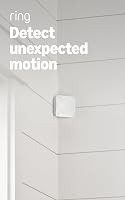
The Ring glass break sensor review comes down to one question: do you already use Ring and want an alert when a sensor detects breaking glass? Ring sends notifications through its app, requires no base station, and may use Amazon Sidewalk to stay connected if Wi-Fi drops.
Sidewalk coverage varies, so check the connection where you plan to put it.
This sensor listens for breaking glass inside the home. It does not tell you that a door or window opened.
An alert alone does not show which pane was affected. Pair it with an entry sensor when you need to know about an opening, or a compatible Ring camera or doorbell when you want a possible visual view.
Ring glass break sensor review: who should buy it?
Buy the Ring sensor if you already use Ring and want sound based glass break alerts through the Ring app. Its no-base-station design can suit a household adding coverage to its Ring setup without another alarm hub.
It also fits people who want to connect a possible glass break alert with a Ring camera or doorbell. The sensor detects sound; the separate camera may help you see what happened.
Skip it if your alarm system is SimpliSafe Gen 3, if you want a sensor that reports an opening, or if you want a local alarm attached directly to glass. Those needs point to a compatible system sensor, an entry sensor, or a vibration alarm.
Ring Glass Break Sensor: Best for Ring households

- Sound detection
- Ring app notifications
- No base station required
- Amazon Sidewalk connectivity
A sound detecting sensor for homes already using Ring. It sends alerts through the Ring app and can pair with a Ring doorbell or camera for more context.
Pros
- No base station required
- Flexible placement on walls, ceilings or furniture
- Designed to filter common household noise
Cons
- Coverage through Amazon Sidewalk may vary
- A compatible Ring subscription is sold separately for 24/7 Pro Monitoring
What does the Ring Glass Break Sensor detect?
The Ring sensor detects the sound of breaking glass inside your home and sends an alert through the Ring app. Ring designed it to filter common household noise, but no sound sensor can tell you from the notification alone whether a break-in occurred.
A contact sensor reports when a protected door or window opens. A motion sensor reports movement in its coverage area.
These devices answer different questions. Read what a glass break sensor is and whether you need one for a closer look at the category.
Treat an alert as a prompt to check the room and other available signals. If you need a record of an opening, add the right entry sensor instead of expecting the glass break sensor to cover it.
How should you choose among these glass break sensors?
Choose by system compatibility first, then by the event you want detected and how you want to receive an alert. A sensor that cannot fit your existing alarm setup is a poor buy, even if its detection style sounds appealing.
| Sensor | Detection approach | System or connection | Useful detail |
|---|---|---|---|
| Ring Glass Break Sensor | Sound detection | Ring app; no base station required | Amazon Sidewalk may help if Wi-Fi drops; coverage varies |
| SimpliSafe Glassbreak Sensor | Sound detection | SimpliSafe Gen 3 system | Up to 20 ft detection range |
| Honeywell 5853 Glass Break Detector | Sound detection | Wireless detector | Four sensitivity settings |
| Wsdcam Glass Break Sensor Alarm | Vibration detection | Standalone local alarm | Adjustable sensitivity; 125 dB alarm |
Ring is the natural choice for many Ring households; SimpliSafe is designed for the compatible Gen 3 system. Honeywell offers four sensitivity settings and a remote test mode that needs a separate FG-701 tester, while Wsdcam responds to vibration and sounds a local alarm.
If you are still choosing between sound and movement coverage, use our glass break sensor vs motion sensor comparison. It explains which event each sensor is meant to catch.
Which alternatives fit other alarm setups?
The SimpliSafe Glassbreak Sensor suits a home with a compatible SimpliSafe Gen 3 system and a preference for app alerts. Its stated detection range is up to 20 ft, and it can sit on a shelf or attach with the included hardware.
Honeywell's 5853 is the option to consider when selectable sensitivity matters and it fits your alarm setup. Its remote test mode requires the FG-701 tester, sold separately, so count that extra device when deciding whether the test feature is useful to you.
Wsdcam is for someone who wants a simple local vibration alarm on a window or door, without wiring or a hub. It has adjustable sensitivity and a loud local alarm, so it can suit a single opening where a phone notification is not the main goal.
Where should you put a glass break sensor?
Put a sound detecting sensor near the glass you want it to monitor, and follow the placement guidance for that specific model. Ring allows placement on a wall, ceiling or furniture near a vulnerable entry point.
Do not assume one sensor will cover every window in the home. Room layout, distance and obstructions affect how sound reaches a sensor, and Ring does not give a detection distance.
Start with rooms that have accessible glass doors or ground floor windows. After choosing a position, check that the sensor connects and that alerts reach the Ring app from that location.
A vibration device such as Wsdcam attaches directly to the window or door, so it needs a different placement decision. Our guide to window alarm sensors and their uses can help you compare that approach with sound detection.
How do you set up and care for these sensors?
Set up the Ring sensor in the Ring app and place it on a wall, ceiling or furniture near the entry point you want covered. Ring describes setup as taking minutes, but the connection still needs to be checked at the chosen location.
For Ring, look for a stable app connection before settling on the final position. If Amazon Sidewalk is part of your backup plan, remember that its coverage can vary through the home.
The SimpliSafe sensor uses peel and stick installation or included hardware, and setup continues in the SimpliSafe app. Wsdcam also uses adhesive; clean and dry the mounting surface first, then set its sensitivity to suit that window or door.
Honeywell has replaceable batteries, and its remote test mode needs a separate FG-701 tester. For any battery powered sensor, check battery guidance for the model and respond to low battery alerts where available.
Avoid moving or removing an attached sensor without checking that it has reconnected or is still positioned to monitor the intended area.
What mistakes should you avoid?
The most common mistake is expecting a glass break sensor to report every kind of entry. Sound detection, vibration detection, opening detection and motion detection are different jobs, so choose the sensor based on the event you need to know about.
Another mistake is buying before checking system fit. The SimpliSafe option is for Gen 3, and Honeywell's compatibility should be confirmed for your alarm setup.
Ring is most useful when you already use Ring services and devices.
Do not rely on Sidewalk coverage without checking the sensor's connection in its intended room. Also avoid mounting a sensor far from the vulnerable glass based on an assumed range, especially since Ring does not specify one.
Finally, don't expect a sensor alert to replace a camera or prove what happened. A camera may add context.
An entry sensor reports an opening. See our door alarm sensor guide to compare opening detection options.
Should you buy the Ring Glass Break Sensor?
Choose the Ring sensor if you use Ring and want app alerts for breaking glass without a base station. Pick SimpliSafe for a compatible Gen 3 system, Honeywell if selectable sensitivity is your priority and it fits your alarm, or Wsdcam for a local vibration alarm on a specific window or door.
For a fuller home plan, combine glass coverage with sensors for openings and movement. Our DIY alarm systems guide explains how those sensor types work together, and the Ring base station guide explains the hub's role in a Ring alarm setup.
Frequently asked questions
Does the Ring Glass Break Sensor need a base station?
No, the Ring Glass Break Sensor does not require a base station. Amazon Sidewalk may help keep it connected if your internet goes down, though coverage may vary.
Check for a connection at the planned sensor position after setup.
How does the Ring Glass Break Sensor detect a break-in?
The Ring sensor detects the sound of breaking glass inside your home and sends a notification through the Ring app. Ring designed it to filter common household noise, but it does not detect a door or window opening.
Can I use the Ring sensor with a camera?
Yes, the Ring sensor can pair with a Ring doorbell or camera. The sensor can alert you to a possible glass break, while a compatible camera may help you see what happened.
The camera is sold separately, and a compatible Ring subscription is sold separately for 24/7 Pro Monitoring.
Is a glass break sensor better than a motion sensor?
They detect different events. A glass break sensor detects the sound of breaking glass, while a motion sensor detects movement within its coverage area.
A room with vulnerable glass may benefit from both.
Compare the options in our glass break sensor vs motion sensor guide.